
Toronto is entering a new era of immersive entertainment
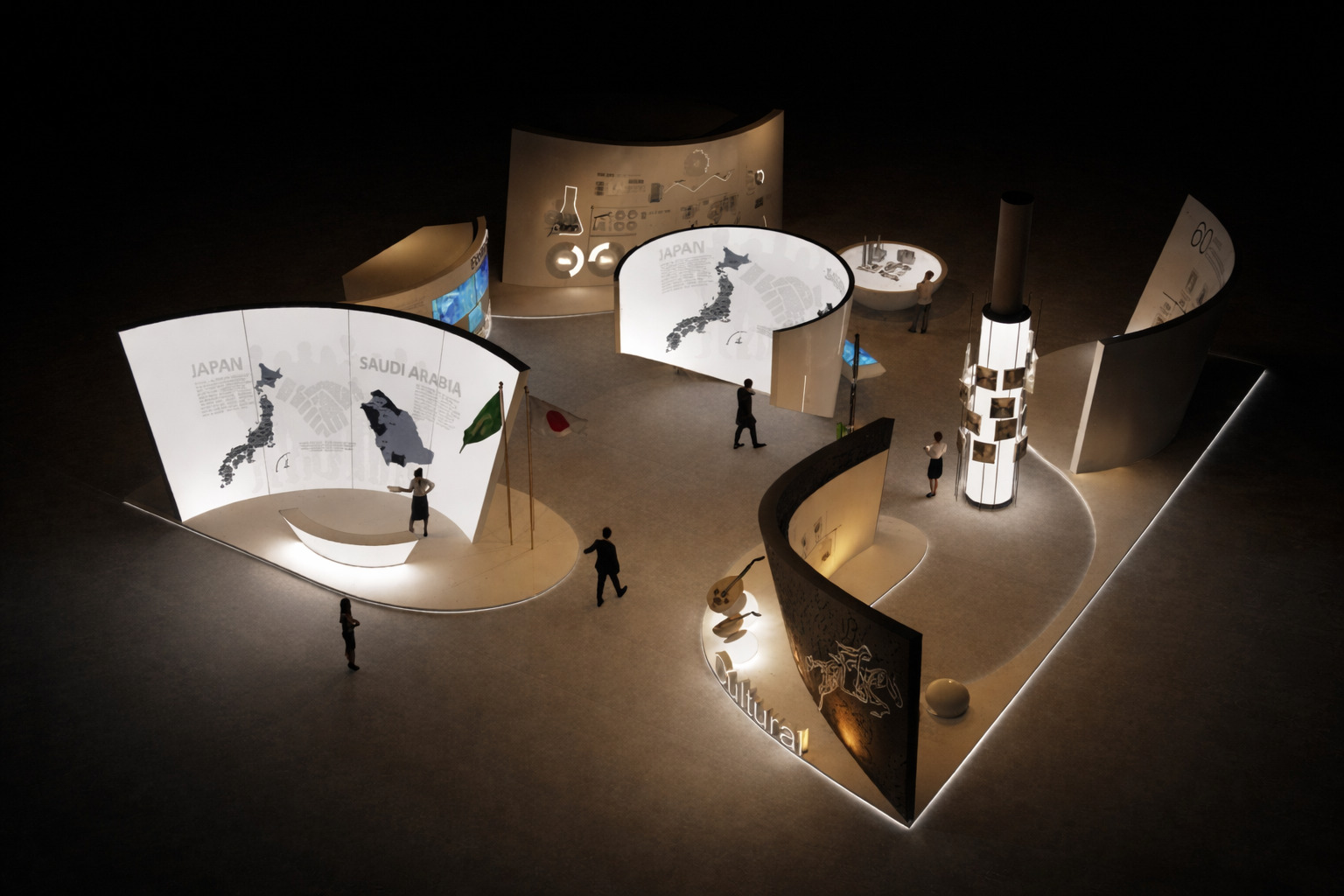
In 2026, Toronto feels less like a city expanding outward and more like one recalibrating from within. The transformation isn’t led by new towers or headline projects, but by quieter shifts in everyday behavior — how people move, gather, and choose to spend their time.
Entertainment in Toronto is changing. And not loudly.
There was a time when nightlife meant crowded clubs, predictable DJ sets, and the same cycle of venues reinventing themselves every few years. That model still exists, but it no longer defines the city. Instead, a new layer is emerging — one that is less about consumption and more about experience.
Immersive entertainment is becoming Toronto’s quiet revolution.
From places to experiences
The difference is not just aesthetic. It’s structural.
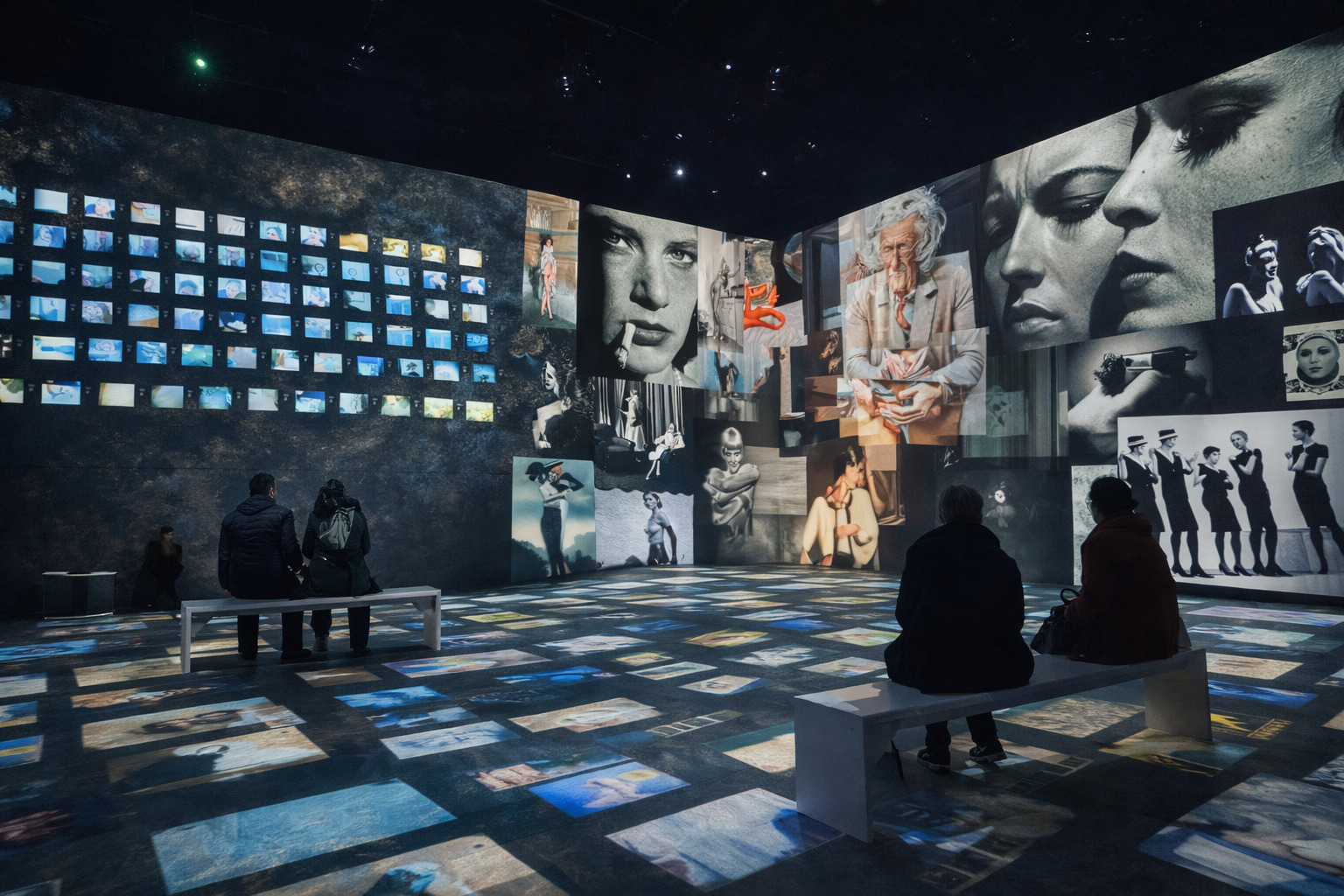
Traditional venues were built around presence. You showed up, you stayed for a few hours, and you left. The experience was linear and often passive. Today’s spaces are designed differently. They are interactive, multi-sensory, and deliberately unpredictable.
In recent years, Toronto has seen a steady rise in installations, pop-ups, and hybrid venues that blur the line between art, technology, and nightlife. Projection mapping, spatial sound design, responsive lighting, and digital environments are no longer experimental features — they are becoming the baseline.
What matters is no longer where you go, but what you feel while you are there.
A global trend with a local identity
This shift is not unique to Toronto. Cities like Amsterdam, Berlin, and Tokyo have already embraced immersive formats — spaces where visitors move through curated environments rather than stand in front of a stage.
But Toronto is not copying. It is adapting.
The city’s version of immersive entertainment is shaped by its diversity, its tech ecosystem, and its cultural balance between North American scale and European sensibility. It is less chaotic than Berlin, less commercial than Las Vegas, and more emotionally driven than most major urban scenes.
That combination creates something rare — an environment where experimentation feels accessible.
The influence of technology without the coldness
Technology plays a central role in this transformation, but not in the way people expected a decade ago.
Early digital experiences often felt sterile — impressive but emotionally distant. Today’s immersive spaces are different. They use technology not as a spectacle, but as a medium.
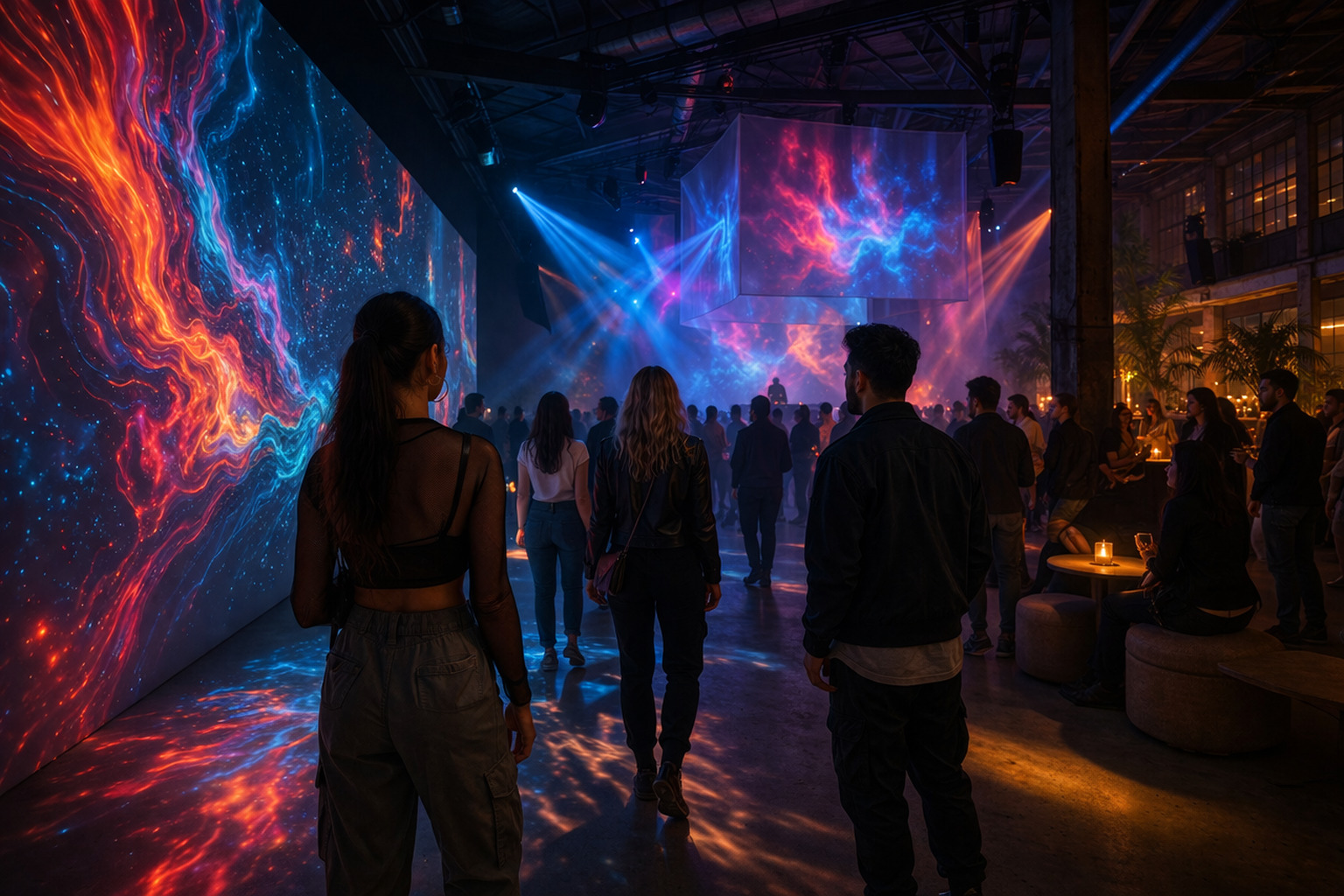
Sound reacts to movement. Light responds to proximity. Visuals evolve in real time. Visitors are no longer observers — they are part of the system.
Toronto, with its growing tech sector and creative industries, is uniquely positioned to develop this kind of environment. The city has both the technical talent and the cultural demand for experiences that feel personal rather than mass-produced.
Why audiences are changing
The rise of immersive entertainment is not just supply-driven. It reflects a deeper shift in audience behavior.
In a world where everything is available online, physical experiences have to offer something that cannot be replicated on a screen. People are no longer impressed by access. They are searching for presence.
This is especially visible among younger audiences. Gen Z and younger millennials are less interested in traditional status symbols and more drawn to moments that feel unique, temporary, and worth documenting — but not in a superficial way.
The phrase “Instagram-worthy” has evolved. It no longer means visually attractive. It means emotionally memorable.
And that changes everything.
The economics of experience
There is also a business logic behind this shift.
Immersive spaces extend engagement. Visitors stay longer, interact more, and often return. The model moves away from volume toward depth — fewer people, but more meaningful interaction.
For operators, this creates new revenue structures. Tickets, timed entries, premium experiences, and layered environments allow for more controlled and sustainable growth compared to traditional nightlife models.
Toronto’s market, which has become increasingly sensitive to pricing and value, is particularly receptive to this approach. People are willing to pay — but only if the experience justifies it.
A city rewriting its own rhythm
What makes Toronto compelling right now is not its ability to follow global patterns, but its quiet decision to step outside of them. The city is no longer chasing comparison with nightlife capitals built on volume, spectacle, and excess. Instead, it is shaping a different tempo — one that feels deliberate, almost edited.
This is not a retreat from energy. It is a refinement of it.
Toronto is learning that impact does not come from scale alone. It comes from intention. Spaces are becoming more selective in what they offer and how they make people feel. The focus is shifting from noise to presence, from distraction to experience.
“The future of entertainment is not about how much you can show, but about how deeply you can make someone feel it.”
That idea is already visible across the city.
Experiences are tighter, more curated, more immersive — but also more human. They are built to be entered, not just observed.
What comes next
This shift is not temporary. It is structural.
The next phase is already taking shape in how spaces are being designed and used. Hybrid venues are becoming the norm — environments that move between functions without losing identity. A gallery in daylight becomes an atmospheric installation by night. A performance space evolves into something closer to an interactive narrative.
The boundaries between disciplines are dissolving. Artists collaborate with technologists. Event producers think like scenographers. Temporary installations are no longer secondary — they are central to how the city experiments with itself.
And this leads to a more important conclusion.
Toronto is not turning into a curated illusion or a themed environment. It is doing something more complex. It is integrating design into reality so seamlessly that the distinction begins to blur. The city is not pretending — it is composing.
Conclusion
What is happening in Toronto is not a trend, but a recalibration of expectations.
Presence is no longer enough. Experience has to be felt, not just attended.
Toronto is not trying to be louder or bigger. It is becoming more precise — and in that precision, it is quietly redefining what it means to go out.
Liam Carter
Street Culture & Nightlife Journalist
Liam focuses on the cultural layer of urban life — music, street scenes, and the rhythm of cities after dark. He writes about how cycling, nightlife, and creative communities intersect, shaping new forms of social interaction and identity. His work has been featured in independent media platforms and urban culture publications, where he has covered festivals, underground scenes, and emerging city trends.
Advertise With Toronto Union 24
Reach over 500,000 engaged Canadian readers monthly. Premium placements available for Q2 2026.
Learn More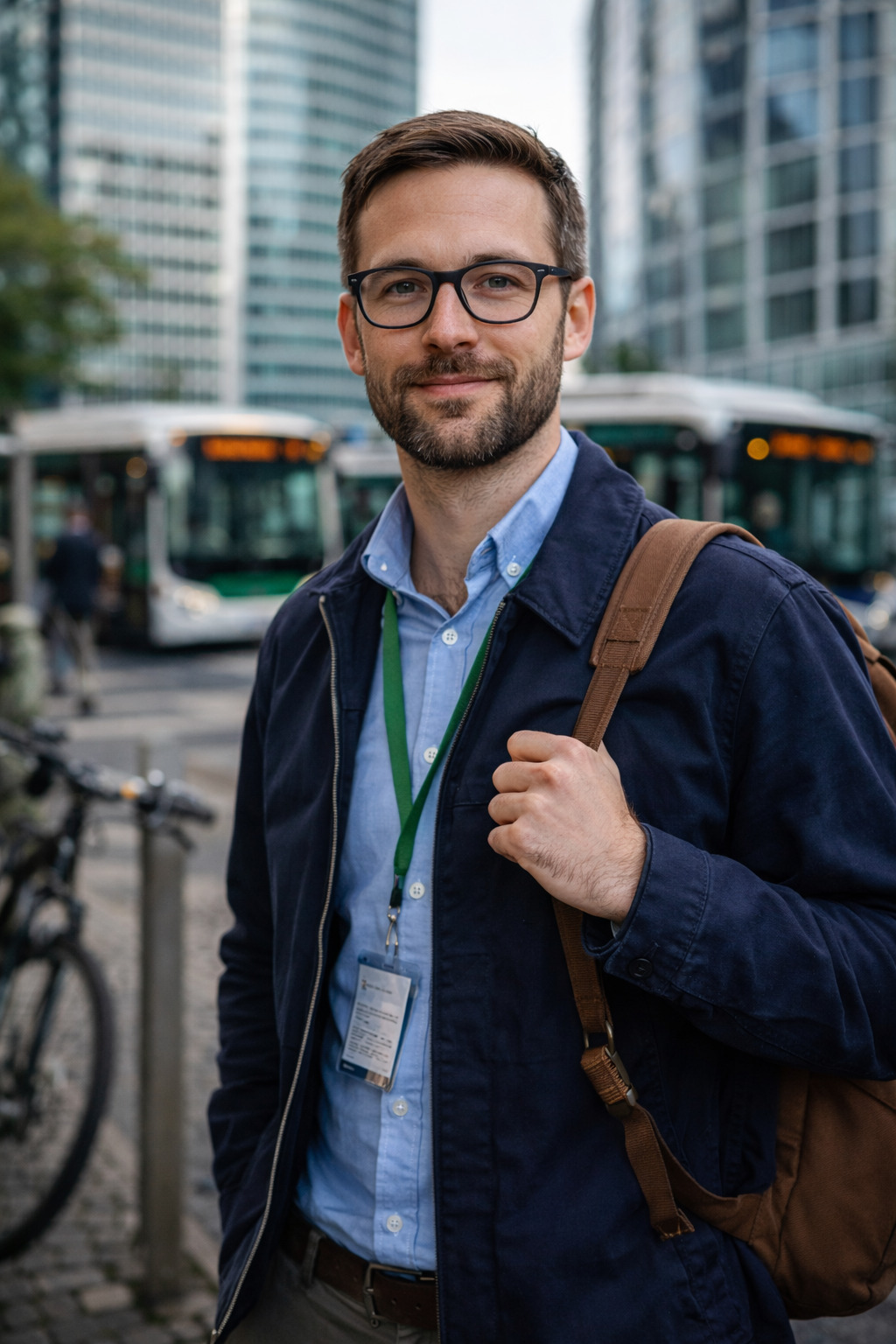 Daniel Hughes