
The New Urban Logic of Cycling Cities and Why Infrastructure Now Shapes Behavior More Than
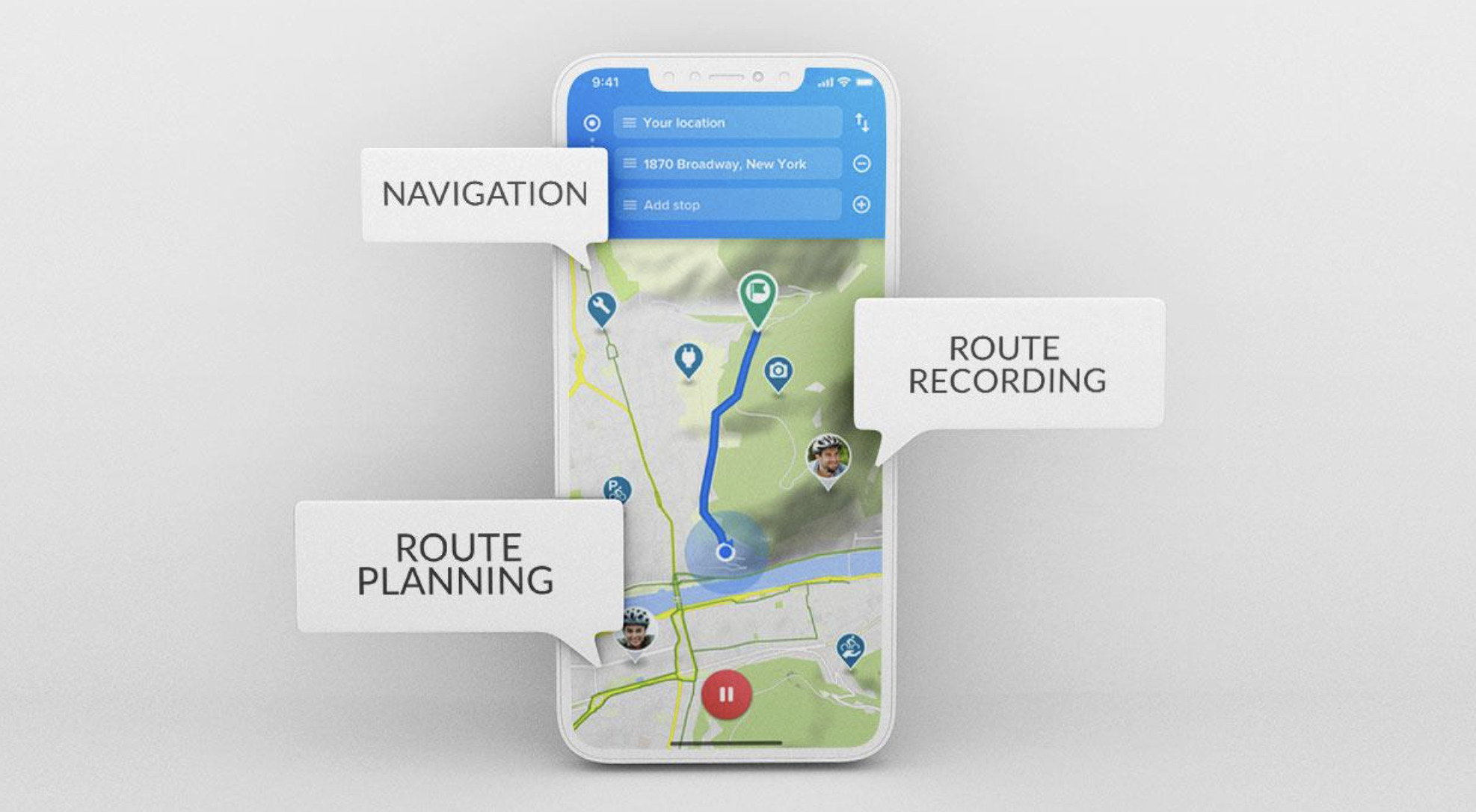
Urban mobility is no longer defined by preference or ideology; it is increasingly dictated by structural efficiency, where cycling emerges not as a trend but as a direct consequence of how cities are engineered. The shift is measurable and visible: when infrastructure reaches a certain level of continuity, safety, and clarity, behavior follows with almost mechanical predictability. People do not need to be convinced to cycle; they need conditions that make cycling the least resistant option.
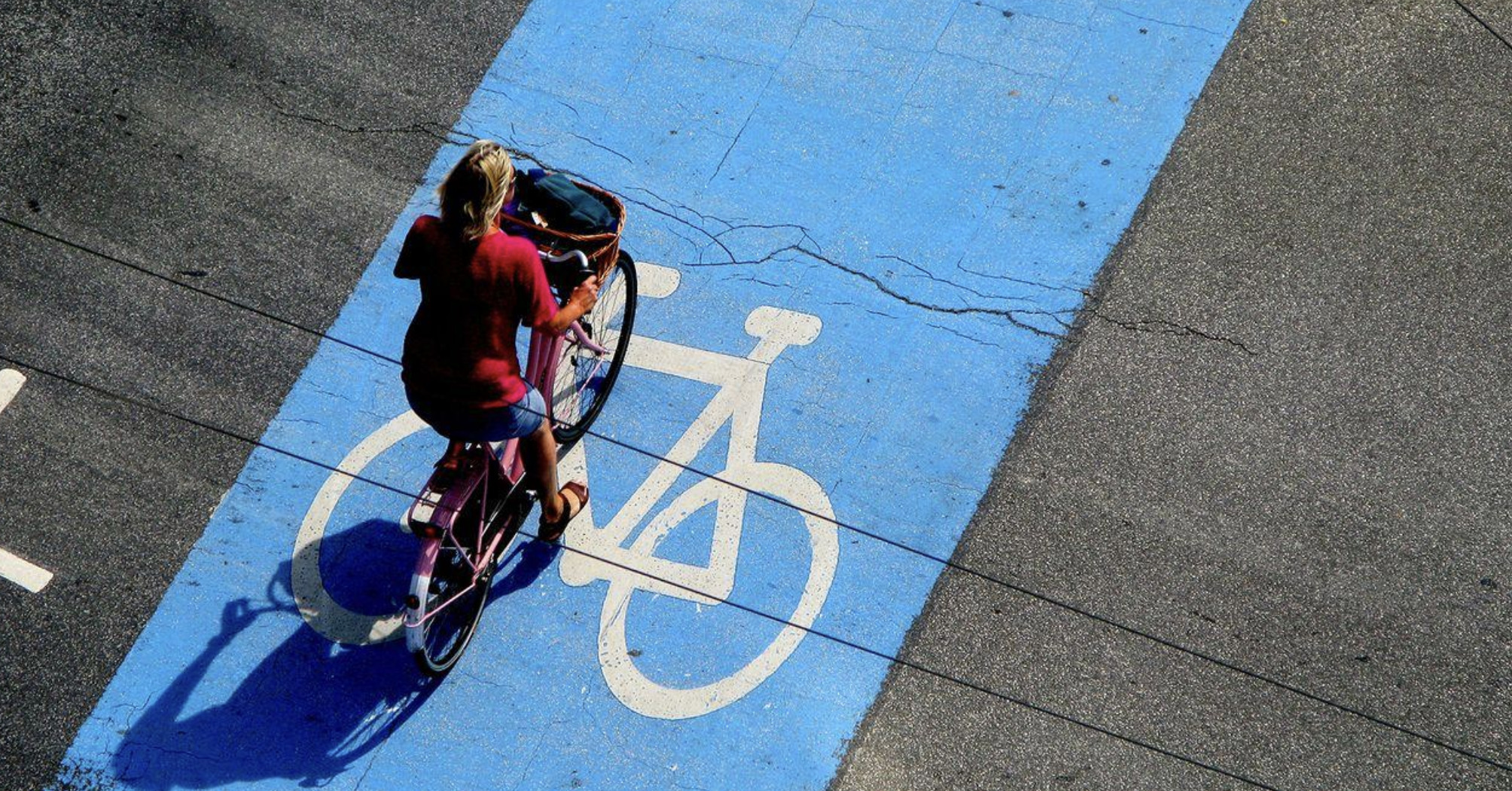
Cycling as a System, Not a Choice
Cycling adoption scales only when it is treated as a system rather than an isolated feature within the urban environment. Fragmented bike lanes, inconsistent markings, and abrupt transitions introduce cognitive friction that interrupts flow, forcing users to constantly reassess their safety and direction. This breaks behavioral continuity, which is critical for habit formation.
In contrast, cities that implement uninterrupted cycling networks—where routes are legible, protected, and logically connected—remove the need for decision-making at every intersection. The result is not just increased usage but a shift in default behavior, where cycling becomes the obvious and repeated choice for short- and medium-distance travel.
The Role of Cognitive Load in Urban Movement
Human decision-making in urban contexts is governed by cognitive efficiency rather than rational optimization. A route that requires constant vigilance, unpredictable stops, or interaction with traffic is perceived as more demanding, regardless of actual distance or speed. This is why poorly designed cycling infrastructure fails even when it technically exists.
When friction is removed—through protected lanes, intuitive signage, and smooth surfaces—the cognitive load decreases significantly. Cycling transitions from an effortful activity into an automatic behavior pattern. This mirrors principles observed in high-performing digital systems, where reduced complexity leads to higher engagement and retention.
Why Infrastructure Outperforms Policy
Policy frameworks, sustainability campaigns, and awareness initiatives operate at a conceptual level, but behavior is ultimately shaped by physical experience. A city can promote cycling extensively, but without infrastructure that supports it, adoption remains limited and inconsistent.
Execution, not messaging, defines outcomes. The most successful cycling cities prioritize measurable factors: lane continuity, intersection safety, traffic separation, and maintenance quality. These variables directly influence user experience and determine whether cycling is perceived as viable on a daily basis.
Time Perception and Route Design
Perceived time plays a critical role in transportation choices. A cycling route that feels uninterrupted and predictable is experienced as shorter, even if it is objectively longer. This is because the human brain values continuity over raw speed, especially in repetitive behaviors like commuting.
Protected bike lanes that eliminate stops and reduce conflict points create a sense of flow, which enhances user satisfaction and increases repeat usage. Over time, this reshapes urban movement patterns, redistributing traffic away from congested systems and into more efficient channels.
Data, Technology, and Adaptive Infrastructure
Modern cycling systems are increasingly influenced by data-driven optimization. Real-time navigation, usage analytics, and predictive maintenance allow cities to refine infrastructure continuously rather than relying on static designs. This transforms cycling networks into adaptive systems that respond to actual behavior rather than theoretical planning models.
These developments align with broader trends in digital environments, where user experience is constantly refined to reduce friction and improve engagement. The same logic applies here: systems that anticipate user needs and eliminate unnecessary steps outperform those that rely on user adaptation.
Cross-Industry Parallels in Frictionless Design
The principle of minimizing friction is not unique to urban planning; it is a universal driver of engagement across industries. Platforms that succeed at scale—whether in mobility, finance, or online ecosystems—prioritize seamless interaction, intuitive navigation, and immediate feedback.
In this context, even environments such as Betwest demonstrate how streamlined systems influence behavior by reducing barriers to entry and maintaining continuous user flow. The comparison is structural rather than thematic: in both cases, efficiency dictates engagement.
Resistance and Spatial Reallocation
The expansion of cycling infrastructure often requires redistributing urban space, typically at the expense of car lanes or parking. This generates resistance, not because the system is ineffective, but because it disrupts established patterns.
However, when implementation is executed correctly, the benefits become empirically visible. Reduced congestion, improved air quality, and increased mobility efficiency shift public perception over time. The effectiveness of the system becomes its own argument, replacing theoretical debates with observable outcomes.
Environmental and Economic Efficiency
Cycling represents one of the most scalable and cost-efficient interventions in urban mobility. Unlike large infrastructure projects that require long timelines and substantial investment, cycling networks can be deployed incrementally and optimized based on real usage data.
From an environmental perspective, cycling reduces emissions without introducing additional energy demands. From an economic standpoint, it lowers infrastructure maintenance costs while improving overall system efficiency. These factors make it a critical component of sustainable urban development strategies.
Cultural Transformation Through Infrastructure
As cycling becomes more integrated into daily life, it begins to influence the cultural identity of the city. Streets become quieter, movement becomes more human-scaled, and interactions shift from mechanical to social. This transformation is gradual but self-reinforcing.
Behavior shapes perception, and perception reinforces behavior. Once cycling reaches a critical mass, it no longer requires active promotion; it sustains itself through visibility and normalization.
The Next Phase: Integration and System Thinking
The future of urban cycling lies in integration rather than expansion. The focus is shifting toward how cycling networks interact with public transport, micro-mobility solutions, and emerging technologies such as electric bikes.
Cities that succeed in this phase will treat cycling as a core layer within a broader mobility ecosystem, ensuring seamless transitions between different modes of transport. This requires not just infrastructure, but coordination, data alignment, and long-term planning.
Final Insight
Urban mobility is ultimately a function of design. The systems that cities build determine how people move, and how people move defines the efficiency and livability of the environment. Cycling infrastructure, when executed correctly, does not compete with other modes of transport—it reorganizes the entire system around human-scale efficiency.
The conclusion is direct: behavior does not need to be changed manually; it emerges naturally when the environment is designed to support it. Cities that understand this are not promoting cycling—they are engineering it.

Noah Bennett
Cycling Industry & Tech Writer
Noah is passionate about the mechanics behind movement — from bike engineering to emerging mobility technologies. He covers innovations in cycling equipment, e-bikes, and urban transport solutions, combining technical understanding with real-world usability. His articles explore how technology is reshaping everyday transportation and redefining the future of city commuting.
Advertise With Toronto Union 24
Reach over 500,000 engaged Canadian readers monthly. Premium placements available for Q2 2026.
Learn More Daniel Hughes