
How to Choose the Right Bike for You
Buying a bike should be exciting, but the sheer number of options, road, gravel, mountain, hybrid, electric, and a price range that runs from a couple of hundred to several thousand, can quickly turn excitement into confusion. The truth is that there is no single "best" bike, only the best bike for how you actually plan to ride. Get that match right and cycling becomes effortless and addictive; get it wrong and an expensive machine ends up gathering dust in the garage. This guide walks you through how to choose the right bike for you, step by step, so you spend your money on something you will genuinely love to ride.
Start with how you'll actually ride
Before looking at a single model, answer one question honestly: where and how will you ride most of the time? Not the occasional dream adventure, but your realistic weekly use. Your honest answer points straight to the right category.
Mostly smooth roads, fitness and distance? A road bike.
A mix of pavement, paths and the odd trail? A hybrid or gravel bike.
Trails, dirt and rough terrain? A mountain bike.
Commuting, errands and city streets? A city or commuter bike.
Longer commutes, hills, or carrying loads and want help? An electric bike.
Choosing for the riding you actually do, rather than the riding you imagine, is the single most important decision in the whole process.
Know the main types of bikes
Each category is built around a purpose, and understanding the trade-offs makes the choice obvious.
Road bikes are light, fast and efficient on tarmac, with drop handlebars and skinny tyres. They are ideal for fitness, speed and long paved rides, but less comfortable on rough surfaces.
Gravel bikes look like road bikes but with wider tyres and a more relaxed, stable geometry. They are the great all-rounders, happy on tarmac, gravel tracks and light trails, and have become hugely popular for exactly that versatility.
Mountain bikes have suspension, knobbly tyres and strong brakes for off-road control. They excel on trails and rough ground but feel heavy and slow on the road.
Hybrid and city bikes blend road efficiency with an upright, comfortable position and practical features like racks and mudguards. They are perfect for commuting, leisure and casual fitness.
Electric bikes add a motor that assists your pedalling. They flatten hills, shorten long commutes and make cycling accessible to more people, at the cost of extra weight, higher price and the need to charge a battery.
Get the size and fit right
A correctly sized bike is more important than almost any component or feature. A bike that is too big or too small will be uncomfortable, inefficient and even unsafe, no matter how good it is.
Use the manufacturer's size chart, which matches your height (and often your inside leg measurement) to a frame size.
Check standover height, the clearance between you and the top tube when you straddle the bike with both feet flat. You want a small but comfortable gap.
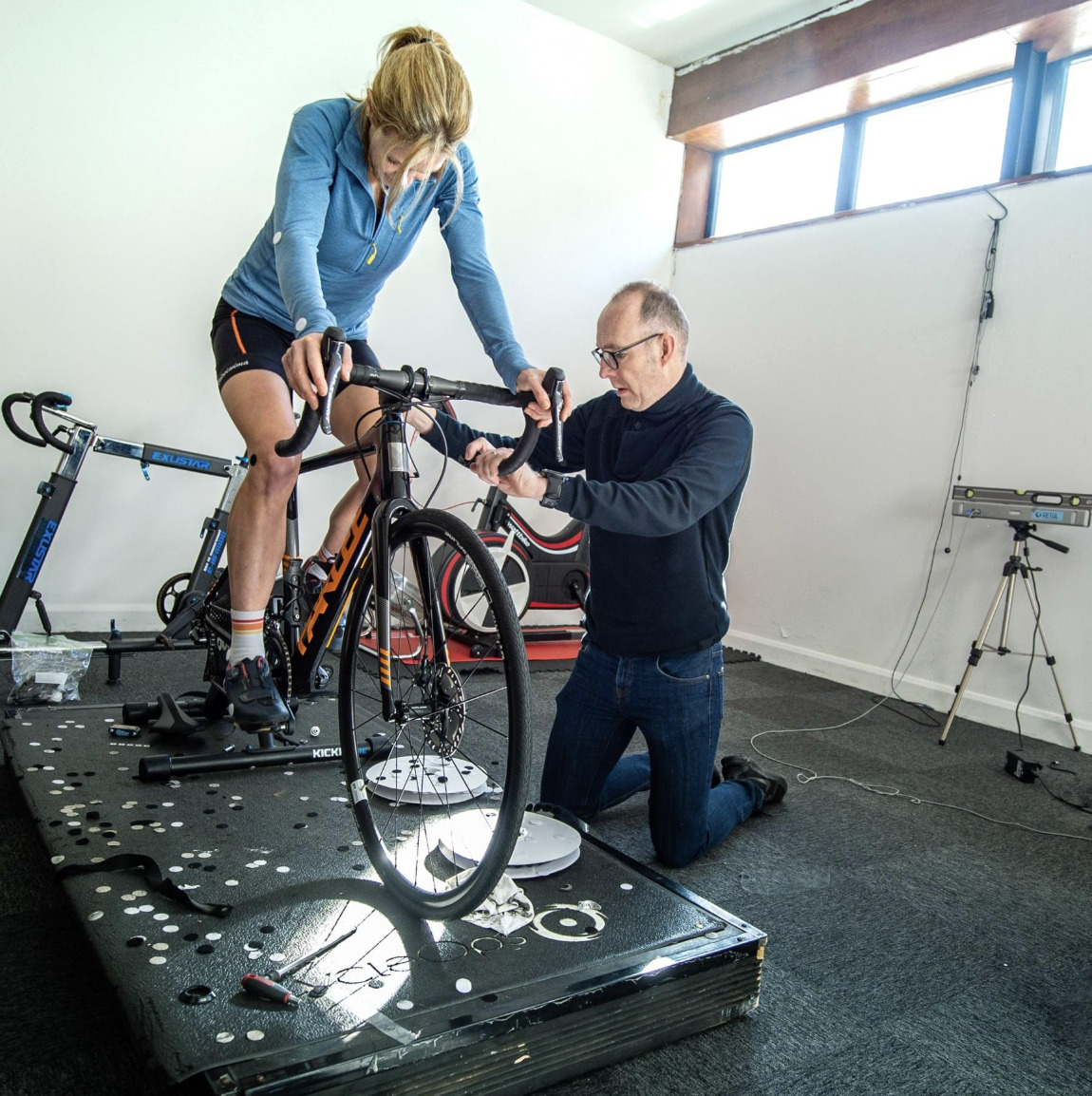
Consider a professional bike fit for road, gravel or higher-end bikes. A good fitter adjusts saddle height, reach and position to your body, transforming comfort and efficiency.
Fit is personal, so whenever possible, try before you buy.
Set a realistic budget
Spend according to how much you will ride, but understand where your money goes. As a rule, more money buys lighter materials, smoother and more durable gears and brakes, and better overall reliability. A very cheap bike from a non-specialist retailer often costs more in the long run through poor components and constant repairs.
A sensible approach is to buy the best-quality bike you can comfortably afford in the category you need, and remember to budget for essentials beyond the bike itself: a helmet, lights, a lock, and basic maintenance gear. Those extras are not optional, and factoring them in from the start prevents an unwelcome surprise at the till.
Key components worth checking
You do not need to be a mechanic, but a few components disproportionately affect your experience.
Frame material: aluminium is light and affordable; steel is durable and comfortable; carbon is very light but pricier; each suits different priorities.
Brakes: disc brakes, especially hydraulic ones, offer stronger, more consistent stopping, particularly in the wet, and have become the standard on most modern bikes.
Gearing: make sure the range suits your terrain. Hilly areas demand a wider, easier range than flat ones.
Tyres: wider tyres add comfort and grip; narrower tyres add speed on smooth roads. Many bikes let you adjust this later.
New versus used, and the test ride
A quality used bike can be excellent value, but inspect it carefully or have a shop check it: look at the drivetrain for wear, the wheels for trueness and the frame for any cracks or damage. A new bike costs more but brings a warranty, a known history and a shop relationship for servicing.
Whatever you choose, take a test ride if you possibly can. Numbers and reviews only tell you so much; ten minutes in the saddle reveals whether a bike feels right for your body and your style. Pay attention to comfort, control and that intangible sense of "this fits."
Once your new bike is home, the next step is keeping it running smoothly. For that, read our companion guide on essential bike maintenance every cyclist should know.
The bottom line
Choosing the right bike comes down to matching the machine to your real-world riding, getting the size right, buying the best quality you can afford and, ideally, testing it before you commit. Nail those, and you will end up not just with a bike, but with the bike, the one that turns cycling from a chore into something you genuinely look forward to.
Frequently asked questions
What type of bike is best for beginners? For most beginners, a hybrid bike is the easiest entry point. It offers a comfortable, upright position, versatile tyres that handle roads and light paths, and practical features, making it forgiving and useful for commuting, fitness and leisure alike.
How do I know what size bike I need? Start with the manufacturer's size chart, which matches your height and often your inside leg to a frame size. Check that you have a small clearance over the top tube when standing, and for road or higher-end bikes consider a professional bike fit for the best comfort and efficiency.
Are electric bikes worth it? They can be, especially for longer or hillier commutes, for carrying loads, or for riders who want extra help. The trade-offs are a higher price, more weight and the need to charge a battery, so they are worth it when the assistance genuinely matches your needs.
How much should I spend on my first bike? Spend the most you can comfortably afford within the category you need, prioritising a reputable bike shop over a cheap non-specialist model that may cost more in repairs. Remember to budget separately for a helmet, lights, a lock and basic maintenance tools.

Liam Carter
Street Culture & Nightlife Journalist
Liam focuses on the cultural layer of urban life — music, street scenes, and the rhythm of cities after dark. He writes about how cycling, nightlife, and creative communities intersect, shaping new forms of social interaction and identity. His work has been featured in independent media platforms and urban culture publications, where he has covered festivals, underground scenes, and emerging city trends.
Advertise With Toronto Union 24
Reach over 500,000 engaged Canadian readers monthly. Premium placements available for Q2 2026.
Learn More Daniel Hughes